Physical Science
Earth's Surface Environments
GEOG 1000-008
Part I
Tracking Earthquakes and Volcanos
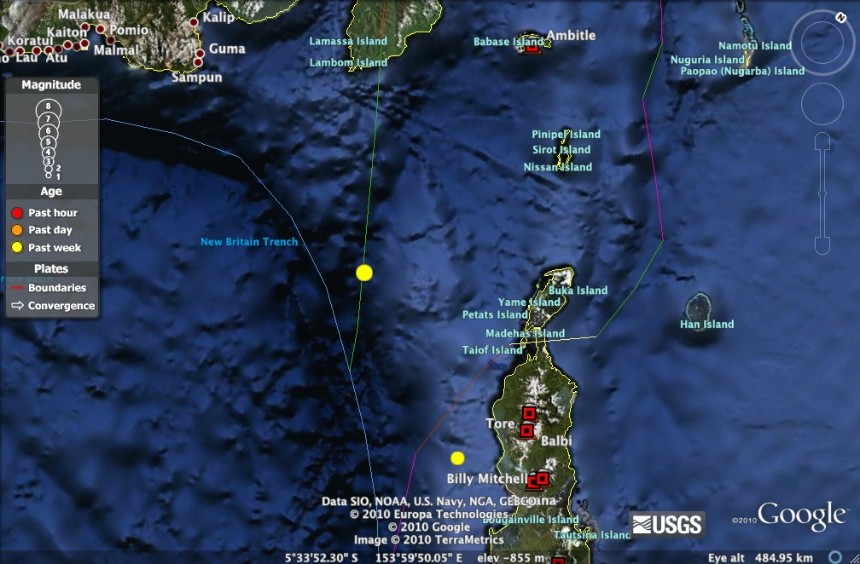
1. An Oceanic-Oceanic Plate boundary can be found at New Ireland Region, Papua New Guinea. A 5.2 earthquake happened on Thursday Dec 2nd at 12:51 PM and was 19.20 km deep.
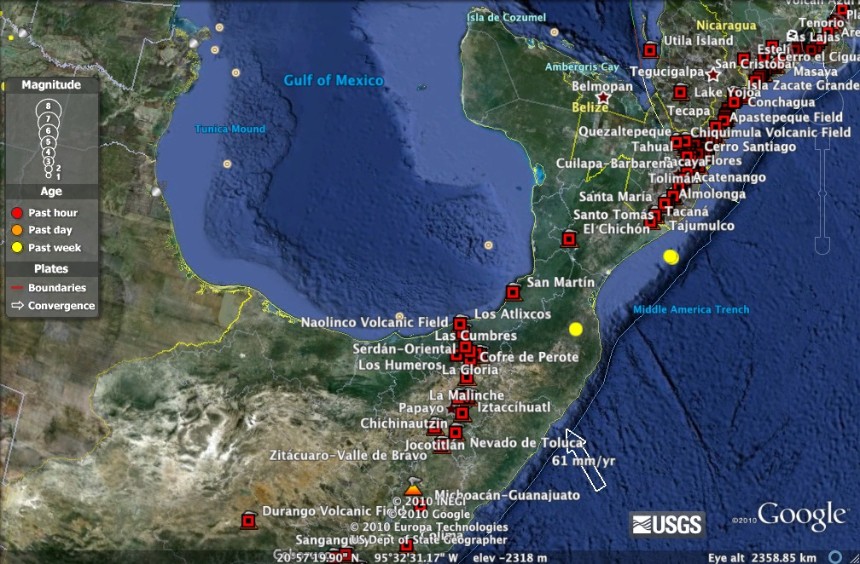
2. An Oceanic-Continental earthquake can be found here at Oaxaca, Mexico Friday November 26th at 4:13 PM with a depth of 13.9 km.
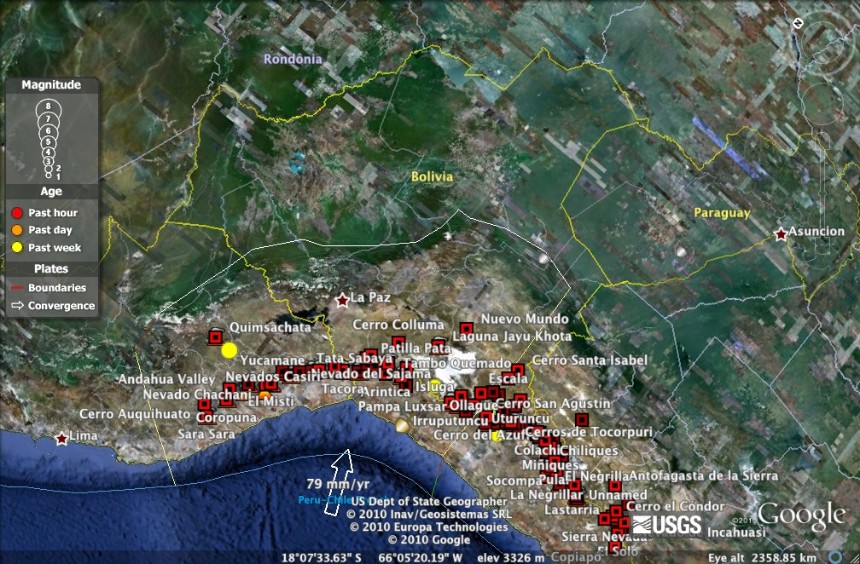
3. A continental-continental earthquake can be found here in central Peru at 9:49 am with a depth of 99.20km.
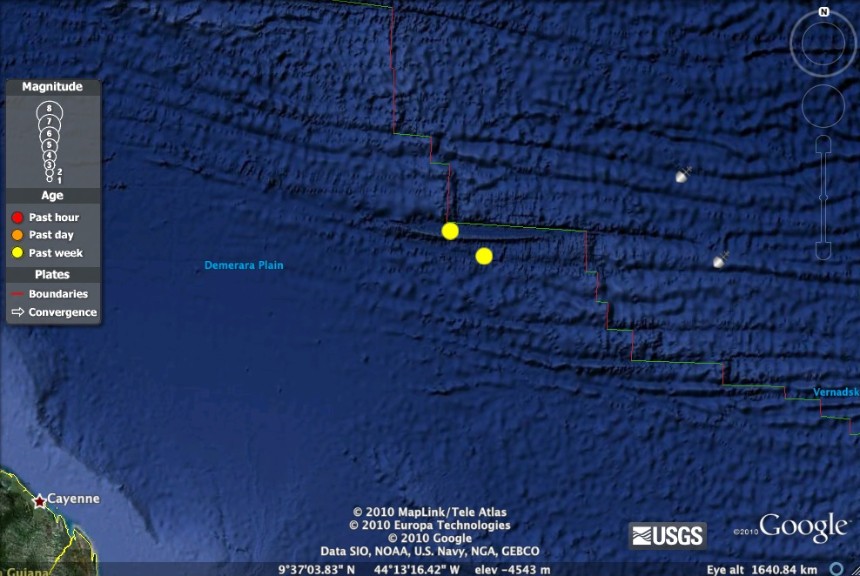
4.Divegent earthquake can be found here on the Northern Mid-Atlantic Ridge at 10:01 am with a depth of 10.10 km.
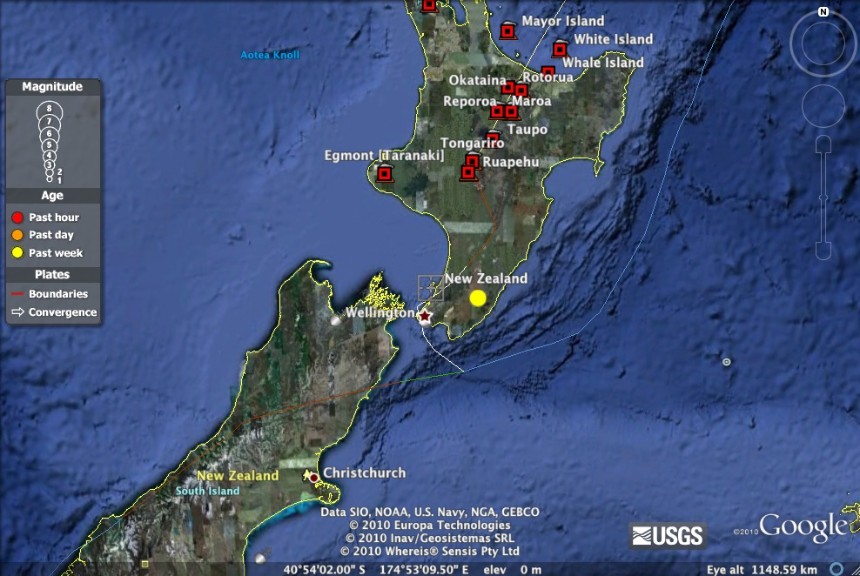
5.A Transform earthquake can be found here on the North Island of New Zealand on 11/28/2010 at 2:22 PM with a depth of 66.20 km.
Part II
Tracking Volcanos
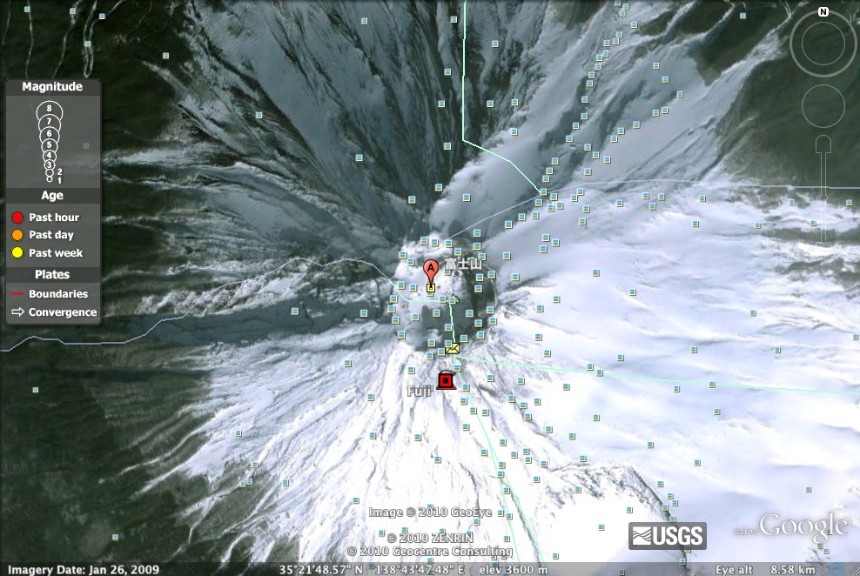
1. Here is Mt. Fuji which is a Composite Volcano found in Japan its located at a continental convergent plate at a triple junction.
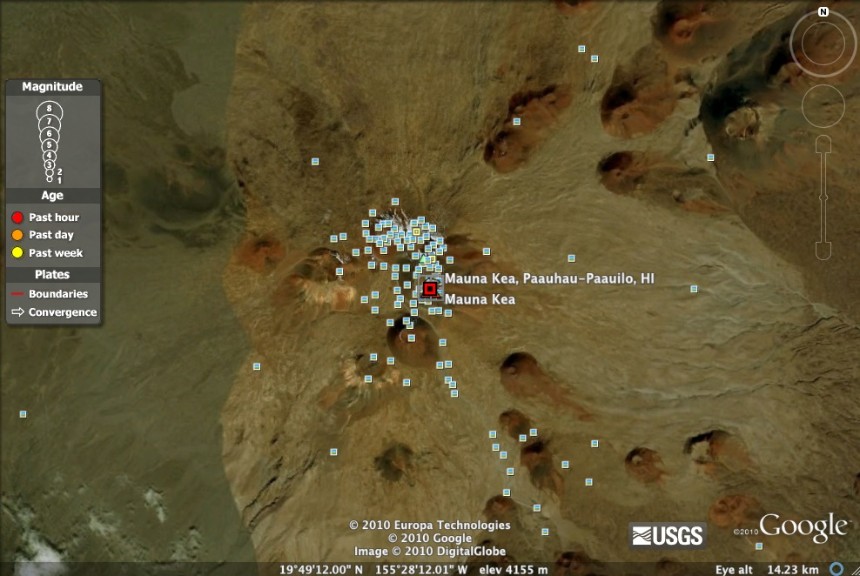
2.Here is an example of a shield Volcano at Mauna Kea Hawaii located on an Oceanic-Oceanic Plate boundary.
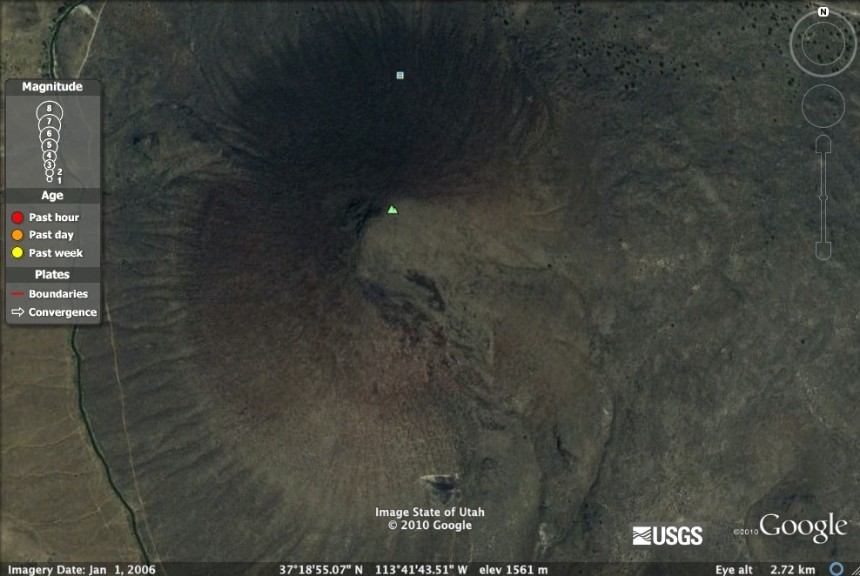
3.In the picture listed below you will find a Cinder Cone volcano located in Veyo, Utah called Holocene it is located on a Continental-Continental Plate.
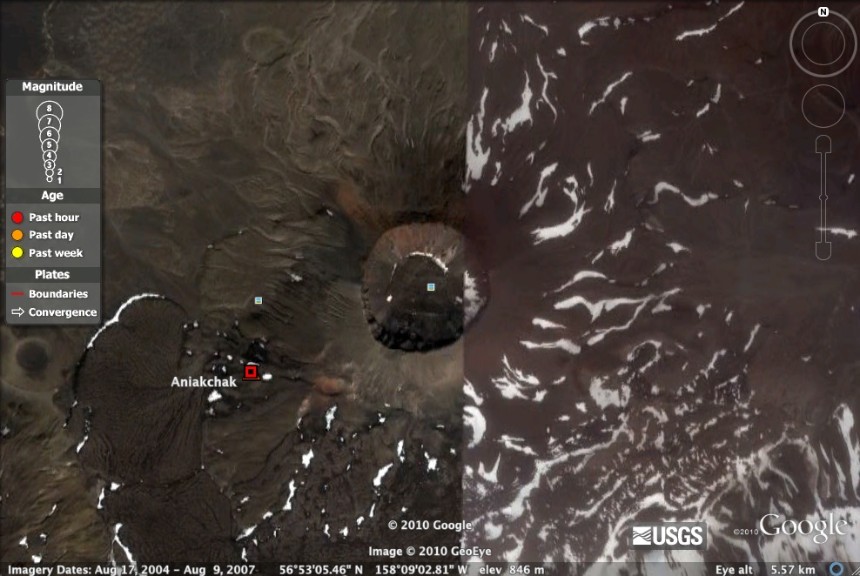
4. Here is a Caldera Volcano called Aniakchak located in Alaska on a Continental Oceanic Plate.
Part III
What I Learned
Through this assignment I have learned that Volcanic and earthquake activity are typically found in similar locales, in relationship to plate tectonics they both would not exist if it weren't for the constant movement of the plates. Volcanoes and Earthquakes are typically located where plates are interacting. Earthquakes are typically caused by plates colliding or rubbing against each other likewise volcanoes form in the same region because of the magma build up in these areas.
